

EVs as Urban Infrastructure, Not Just Vehicles
Electric vehicles (EVs) in Singapore are becoming part of the city’s energy and urban systems. As EV adoption accelerates, mobility is increasingly linked to how electricity is generated, stored, and managed across dense urban environments. This shift reflects a broader move from treating transport as a standalone sector to integrating it into city-scale planning for sustainability, resilience, and liveability.
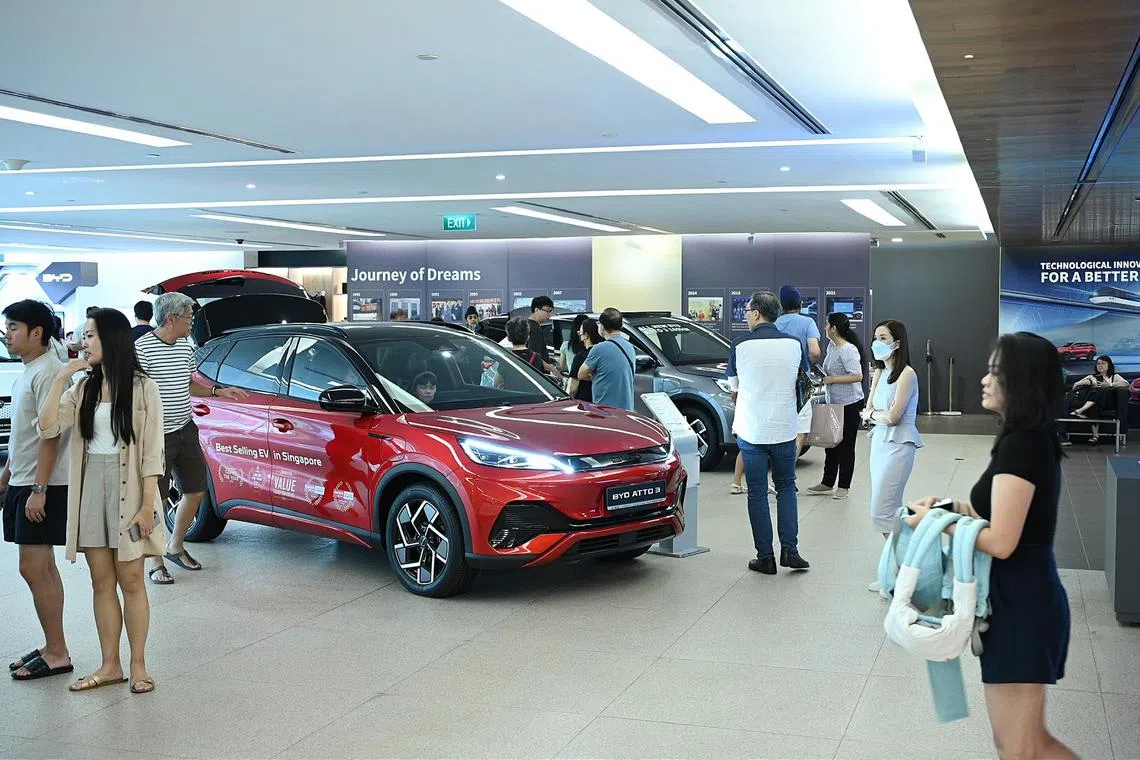
Data shows this transition is well underway. About one in three new cars registered in Singapore between January and May 2024 was an EV, nearly double the 2023 share. This growth aligns with national objectives under the Singapore Green Plan 2030 to transition all vehicles to cleaner energy by 2040. EVs are no longer niche, they are becoming everyday infrastructure that shapes how cities function.
Clean Energy Meets Clean Mobility
The real impact of EVs emerges when they are paired with clean energy. EVs powered by fossil-heavy grids only shift emissions upstream, but when combined with solar generation and smart energy management, they become tools for genuine decarbonisation. Singapore’s approach reflects this integration mindset, linking transport electrification with solar deployment, battery storage, and digital energy systems.
A clear example is the collaboration between Singapore Energy Market Authority (EMA), Shell Energy, and Eigen Energy, supported by Enterprise Singapore. Three Shell service stations in Tampines, Pasir Ris, and Lakeview now deliver high-powered EV charging using 100% certified renewable energy, drawn from on-site solar panels and integrated battery energy storage systems. These stations can complete a typical 30kWh charging session in under 15 minutes, showing how clean energy and fast charging can coexist in urban settings.
Charging Networks That Support Daily Life
As EVs become common, charging must fit naturally into daily routines. Singapore’s compact geography and dense housing make this especially important. National plans aim to deploy 60,000 EV charging points by 2030, including chargers in public carparks and private premises, with every Housing & Development Board town expected to be EV-ready.

Research highlights that charging convenience—not range—is the main concern for drivers in dense cities. With Singapore spanning roughly 50 kilometres end to end, range anxiety is largely absent; instead, access to chargers where people live, work, and park matters most. Operators such as SP Mobility, Tesla, and Shell Recharge are expanding networks across airports, malls, and urban nodes, reinforcing the idea that EVs work best when charging is embedded into the city itself.
From Cities to Businesses: Closing the Loop
For businesses, this energy–mobility connection translates into practical advantages. EV fleets charged during idle hours at depots or workplaces—and paired with solar and smart energy systems—can reduce exposure to fuel price volatility while delivering measurable emissions reductions. This is especially relevant as commercial fleets are projected to be the fastest-growing EV segment, driven by tighter emissions policies and total cost of ownership considerations.

At Green Volt, we operate at this intersection of power and purpose. Our Higer electric vans are designed for Singapore’s urban logistics demands, and when integrated with solar solutions from Energio Solar and smart charging infrastructure from EVOne Charging, fleets gain control over energy, mobility, and data. By capturing kilometres driven, energy consumed, and carbon avoided, businesses can turn everyday operations into verifiable progress toward cleaner, quieter, and more liveable cities.
EVs are no longer just vehicles. In Singapore, they are connectors linking clean power to purposeful urban living.

